The Importance of Managing Humidity Levels in Air Systems
Moisture control is crucial for maintaining healthy air systems. When moisture builds up in ducts, it creates an ideal environment for mold growth. This can lead to various health issues and reduce the efficiency of your heating and cooling systems. By controlling moisture, you can prevent mold from forming and keep your home or business safe. Understanding the reasons behind moisture accumulation and how to manage it effectively is key to ensuring clean air quality.
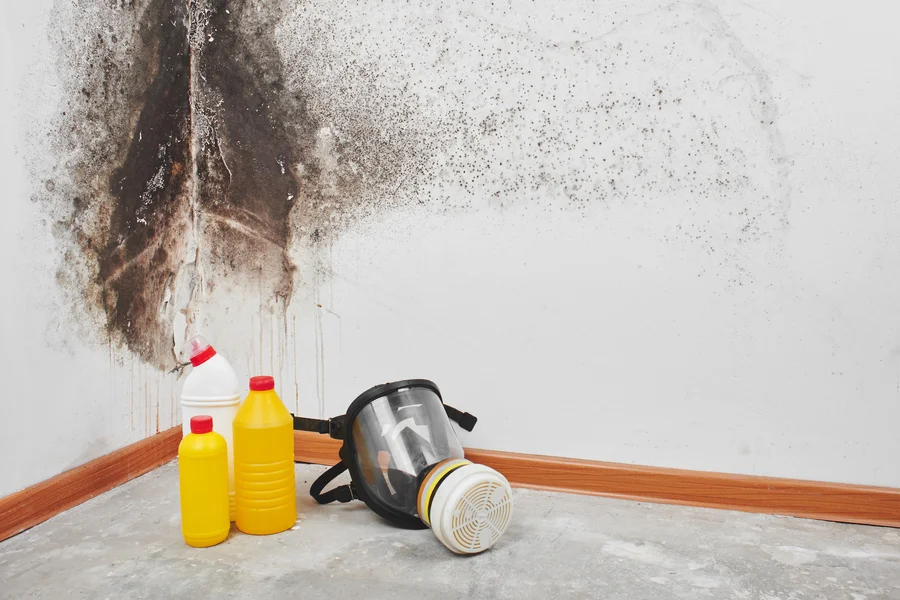
Key Benefits of Moisture Control
Managing moisture levels in your ductwork offers several benefits. First, it prevents the spread of allergens that can trigger respiratory problems. Second, it enhances the efficiency of your HVAC systems by reducing strain on components. Lastly, it prolongs the lifespan of your equipment, saving you money on repairs and replacements. By keeping ducts dry, you improve overall indoor air quality and create a healthier living or working environment.
Mold Remediation Services: A Solution to Existing Issues
If mold has already formed in your ducts, professional intervention may be necessary. Mold remediation services are designed to thoroughly clean and sanitize affected areas, removing all traces of mold spores. This helps restore air quality and prevents future issues from arising. Choosing a reputable service provider ensures the job is done correctly and safely, protecting both your property and occupants’ health.
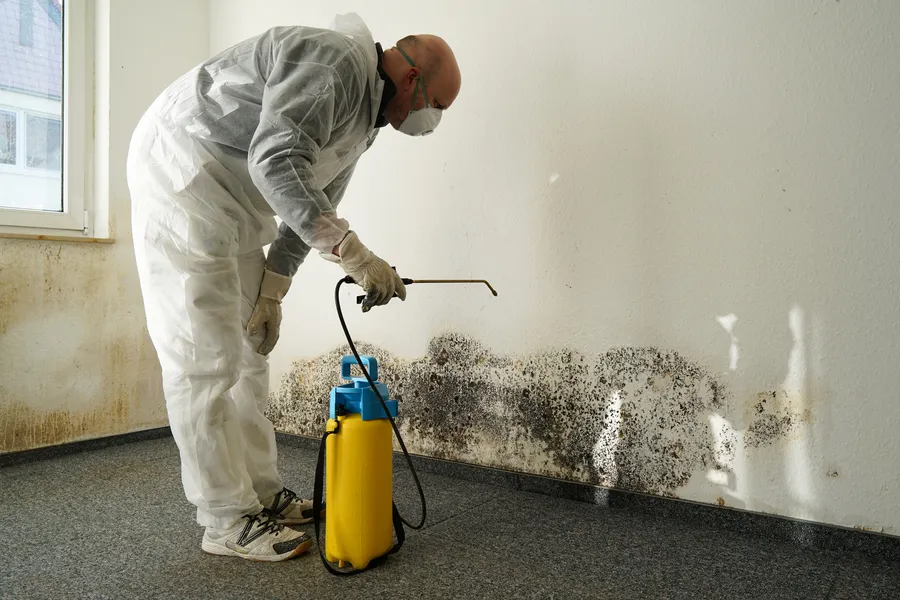
Common Causes of Moisture Buildup
Several factors contribute to moisture accumulation in duct systems. Poor insulation can cause condensation when warm air meets cold surfaces within the ducts. Leaking pipes or roofs may introduce water into the system as well. Additionally, high humidity levels in the surrounding environment can exacerbate the problem, especially if vents are not sealed properly.
How To Prevent Mold Through Moisture Management
Preventing mold involves taking proactive steps to manage moisture effectively. Here are some actionable tips:
- Ensure proper insulation of ductwork to avoid condensation.
- Regularly inspect for leaks and repair them promptly.
- Use dehumidifiers in areas with high humidity to maintain optimal conditions.
- Seal vents properly to keep external moisture out.
Best Practices for Maintaining Dry Ducts
Adopting best practices is essential for keeping ducts free from excess moisture. Regular maintenance checks should be part of your routine to catch potential issues early. Schedule professional inspections annually to assess duct conditions and identify any hidden problems. Consider installing a ventilation system that regulates airflow and reduces humidity levels automatically.
Cost Implications and Value of Prevention
The costs associated with mold removal can be significant, but investing in preventive measures often proves more economical in the long run. By focusing on moisture management upfront, you minimize the risk of extensive mold damage that requires costly interventions. The value lies in preserving your property’s structural integrity and safeguarding occupants’ health.
Your Go-To Expert For Moisture Control Solutions
If you’re dealing with mold in your ducts, take action today. Reach out to All Shine Cleaning LLC at (609) 271-1697 for expert advice on moisture management strategies. Based in Ewing Township, NJ, I provide personalized solutions tailored to your specific needs. Protect your space by prioritizing effective moisture control methods now.