How Hidden Moisture Lets Spores Move From One Area to Another
Mold can spread through walls and ventilation systems when tiny spores land in damp, dark spaces and begin to grow. Once that growth starts, air movement can carry spores into other rooms. Moisture inside drywall, insulation, ceiling cavities, and vents gives mold a place to keep growing. In homes and buildings around Ewing Township, NJ, this can turn a small hidden patch into a much larger indoor air problem if it is not found early.
Quick diagnosis summary
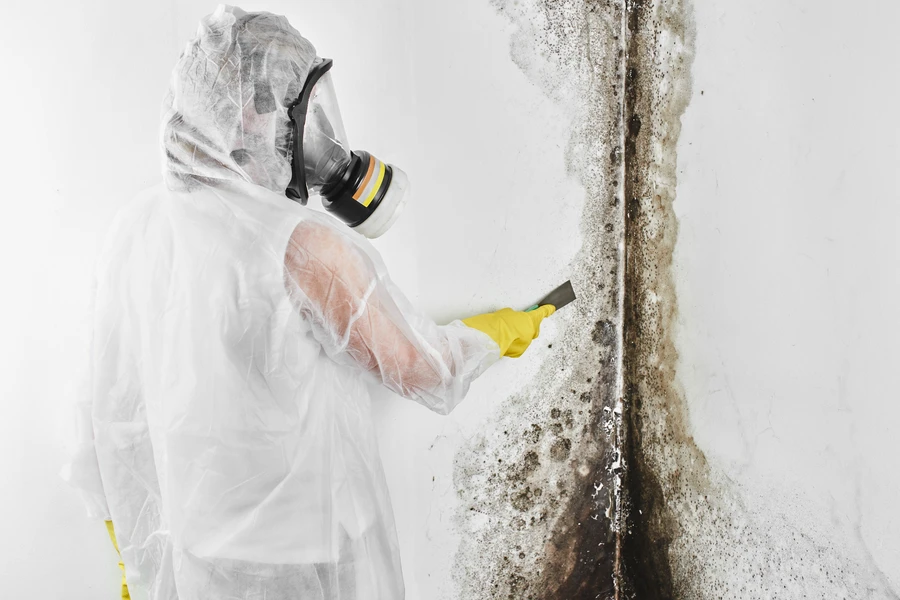
If mold is moving through walls and air ducts, the first signs are often musty smells, stains that keep coming back, and allergy-like symptoms indoors. You may clean one spot and see it return because the source is behind the wall or inside the ventilation path. This is why surface cleaning alone often does not fix the full problem. A full check is usually needed to find where moisture started and how far the spores have traveled.
Common symptoms
Many people do not see the mold at first. They notice changes in the home before they find visible growth. The symptoms can show up slowly, which makes the problem easy to miss.
- Musty or earthy odor that gets stronger when the air runs
- Staining on walls, ceilings, or around vents
- Paint that bubbles, peels, or cracks
- Drywall that feels soft or damp
- More sneezing, coughing, or itchy eyes indoors
- Dust around vents that seems dark or odd in color
These signs do not always mean mold is inside the ventilation system, but they are strong clues that moisture and hidden growth may be present.
Likely causes
Mold needs a food source, moisture, and time. Walls and ventilation systems can provide all three. Drywall paper, wood framing, insulation, and dust inside ducts all give spores something to grow on when water is present.
Common causes include roof leaks, plumbing leaks, poor bathroom exhaust, condensation near supply vents, and high indoor humidity. In some cases, a small leak inside a wall can stay hidden for weeks. During that time, spores spread through the cavity and settle into nearby materials. If the HVAC system pulls air from those spaces, it can move spores into other areas of the home.
The service category keyword may be blank here, but the issue still connects closely with indoor moisture control, air quality concerns, and mold remediation services when growth has already spread.
What to check first
Start with the places where water or wet air is most likely. You do not need to tear into every wall right away. A simple check can help narrow the source.
- Smell near vents, closets, and outside walls for musty odors.
- Look for stains under windows, sinks, and ceiling lines.
- Check if the smell gets stronger when the HVAC starts.
- Inspect vent covers for discoloration or damp dust buildup.
- Feel nearby drywall for soft spots or cool damp areas.
- Look in the attic, crawl space, or basement for leaks or wet insulation.
If several signs point to one area, that area may be where mold first began. Still, visible spots are not always the full source. Mold often spreads farther than people expect behind wall surfaces.
Safe fixes vs pro-level fixes
Small surface mildew on a non-porous area may be cleaned if the spot is minor and the moisture source is easy to stop. For example, a little growth on a bathroom tile edge from poor airflow may improve once the area is cleaned and dried well.
But growth inside drywall, insulation, duct lining, or framing is a different issue. Those materials can trap spores and moisture deep inside. Cleaning the outside does not remove what is hidden. If mold has spread through ventilation paths, the problem can keep coming back and may affect indoor air long after the stain is gone.
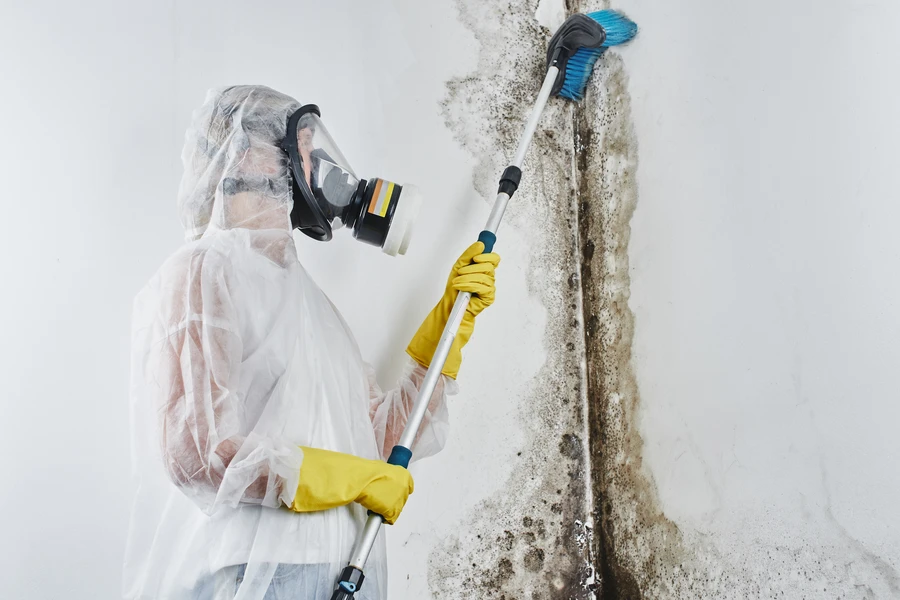
Professional mold remediation services are often the better choice when the source is hidden, the area is large, people in the home have health concerns, or the HVAC system may be involved. A trained crew can trace moisture, contain affected areas, remove damaged materials, and clean the space in a safer way.
Prevention tips
The best way to stop mold from spreading is to stop moisture fast. Dry wet materials quickly, fix leaks early, and keep humidity under control. Vent bathrooms, kitchens, and laundry areas well. Change HVAC filters on schedule and have air systems checked if there is a musty smell that does not go away.
It also helps to watch for repeat stains. A stain that returns usually means moisture is still active somewhere behind the surface. Do not just paint over it. Find the cause first. Keeping storage away from cold exterior walls can also help, since trapped air and condensation may feed hidden growth.
Final recommendation
If you think mold is moving through walls or vents, act early. A small hidden patch can turn into a wider problem when air keeps moving spores from room to room. Quick attention can limit damage, improve indoor air, and lower the amount of material that may need removal. When the source is not easy to find, mold remediation services can help confirm what is happening and what steps make sense next.
Get help with the next step
If you are dealing with a musty smell or repeat wall stains in Ewing Township, NJ, I can help you figure out what may be causing it. Call (609) 271-1697 to reach All Shine Cleaning LLC and talk with me about what you are seeing, what you have tried, and whether mold remediation services may be the right next step.