Finding and Fixing Trapped Water Before Mold Keeps Spreading
Hidden moisture is often the real reason mold keeps coming back. Mold remediation services do more than clean stained walls or remove bad smells. They help find where water is trapped, dry those areas, remove damaged material, and lower the chance of mold returning. In homes and buildings, this often means checking behind walls, under floors, around pipes, and near air systems where damp spots can stay out of sight for a long time.
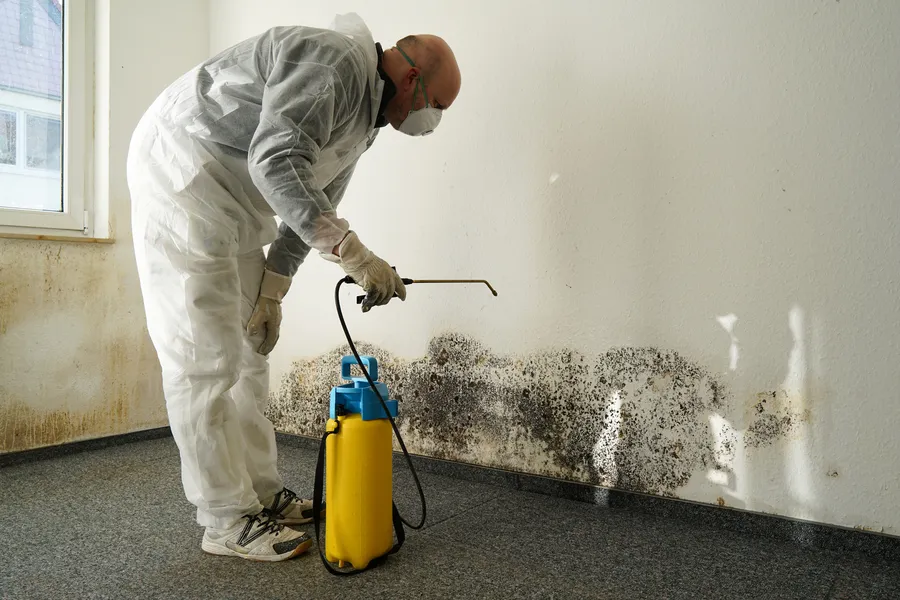
Quick diagnosis summary
If mold shows up in the same area more than once, hidden moisture is likely feeding it. A surface clean may help for a short time, but it will not solve the root problem. Mold remediation services focus on both mold and moisture. That is why the work often includes inspection, moisture testing, drying, and repairs after damaged materials are removed.
Common symptoms
Moisture problems are not always easy to spot. Sometimes the signs are small at first. A room may smell musty even when it looks clean. Paint may bubble. Drywall may feel soft. Floors may warp a little. You may also see dark spots near baseboards, windows, sinks, or ceilings. In some homes, people notice more coughing or sneezing in one room than in others.
Here are some common warning signs:
- Musty odors that do not go away
- Stains on walls or ceilings
- Peeling paint or wallpaper
- Soft drywall or swollen trim
- Condensation on windows or pipes
- Mold returning after cleaning
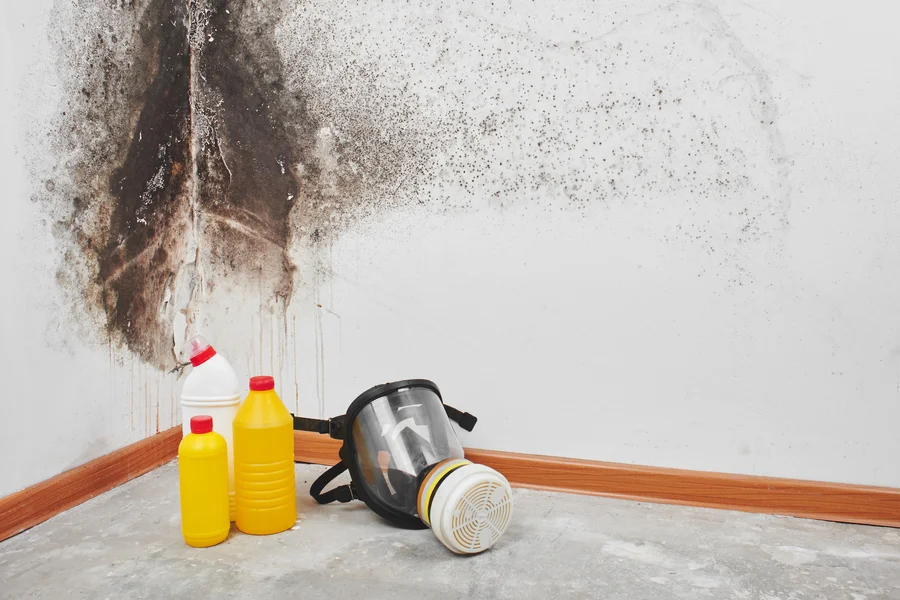
Likely causes
Mold needs moisture to grow. When water gets trapped and stays there, mold can spread fast. The source may be easy to miss. A tiny pipe leak inside a wall can wet insulation for weeks. A roof leak can drip into an attic and soak wood. Poor airflow in a bathroom can leave surfaces damp every day. Crawl spaces and basements can also hold extra humidity for long periods.
Some of the most common causes include plumbing leaks, roof leaks, poor drainage outside, wet building materials after a flood, and indoor humidity that stays too high. In some cases, heating and cooling systems also spread damp air or hide mold growth around vents and drip pans. Even though the service category keyword is not provided here, the work still fits within a broader property care process that may involve cleanup, drying, and repair.
What to check first
Before major work begins, it helps to check the spots where hidden moisture often starts. This does not mean tearing your home apart. It means looking for clues and finding the source of dampness before mold removal begins. If the source is missed, the problem can come back.
- Check under sinks for slow drips
- Look around tubs, showers, and toilets for loose caulk or soft floors
- Inspect ceilings for stains under bathrooms or roof lines
- Feel walls near windows for dampness or cool spots
- Check basements and crawl spaces for damp air or wet concrete
- Look at hvac drain lines and drip pans for standing water
Professionals may also use meters, thermal tools, or other equipment to locate moisture behind finished surfaces. This helps them find wet areas that cannot be seen with the naked eye.
Safe fixes vs pro-level fixes
Some small moisture issues can be handled safely by a property owner. Drying a minor spill right away, running a bathroom fan, or replacing worn caulk are simple steps. A dehumidifier can help in a damp basement. Fixing a visible drip under a sink may also stop a small problem before it grows.
But larger issues need trained help. If drywall is soaked, if mold covers a wide area, or if water has been trapped for a long time, professional mold remediation services are the safer choice. Pros can contain the area, remove damaged materials, dry hidden spaces, and clean surfaces the right way. They can also help reduce the spread of mold spores during the job. This matters a lot when moisture has reached wall cavities, insulation, wood framing, or air systems.
Prevention tips
After cleanup, the goal is to keep moisture from building up again. Good prevention is usually simple and steady. It works best when small problems are fixed early.
- Repair leaks as soon as they are found
- Use exhaust fans in kitchens and bathrooms
- Keep indoor humidity at a healthy level
- Clean gutters and direct water away from the home
- Seal gaps around windows and doors
- Schedule checks after storms or plumbing problems
It also helps to watch areas that have had water trouble before. A past leak can leave hidden damage behind, even after the surface looks dry. That is one reason mold remediation services often include moisture checks after cleanup.
When to get expert help
You should get expert help when mold keeps returning, when the source of moisture is unclear, or when the affected area is large. Help also makes sense if the problem involves insulation, crawl spaces, attics, or air systems. These areas can hide dampness well, and missing one wet pocket can lead to more growth later. If you are in Ewing Township, NJ and you notice a musty smell that will not leave, or stains that keep spreading, it is smart to have the space checked before more damage forms.
Get practical help for the next step
If you need help in Ewing Township, NJ, call (609) 271-1697 to reach me for a clear next step. At All Shine Cleaning LLC, I focus on finding the moisture source, removing damaged material when needed, and helping you prevent the problem from coming back.